







The K-pop Ticket Reselling Problem
by Isabel Miller
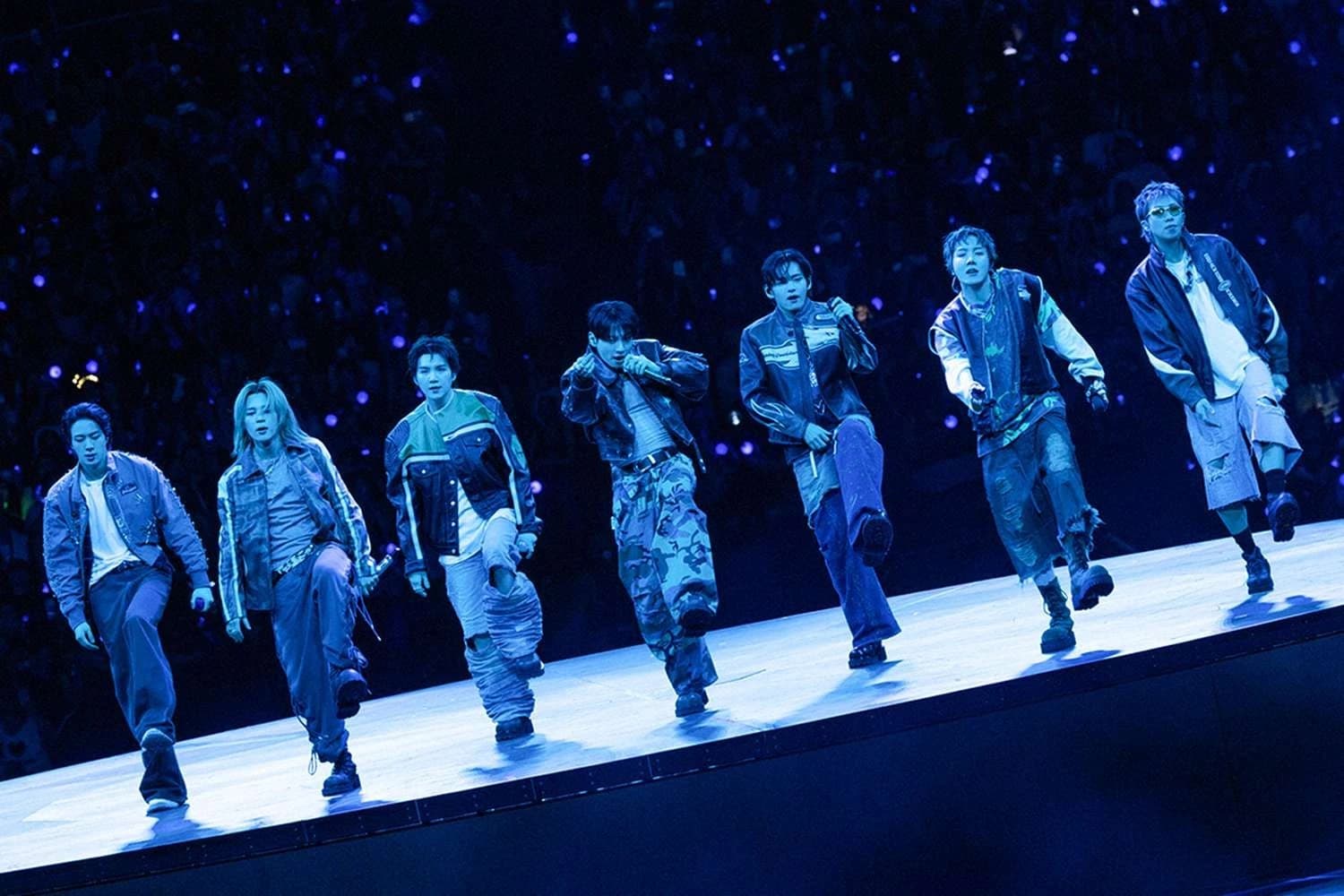
As K-pop’s global popularity grows, so too does the market surrounding it. In the live entertainment sector, one increasingly prominent issue is the resale of concert tickets at inflated prices.
On September 17, the Gyeonggi Bukbu Provincial Police Agency declared that a man in his 30s had been arrested for allegedly reselling nearly 9,000 tickets to high-demand events at inflated prices between September 2018 and April 2026. The majority of those tickets were for K-pop concerts.
On one occasion, he was accused of reselling a ticket to BTS’ World Tour ‘Love Yourself: Show Yourself’ Seoul show in 2019 for three million won, more than 27 times the original price. Six years later in 2025, he was accused of reselling a Stray Kids concert ticket for 2 million won and a SEVENTEEN fan meeting ticket for 1.8 million – 12 and 16 times more than their original prices respectively.
Reportedly, the earnings he gained from ticket reselling were so high that it was the man’s full-time job. He earned approximately 2.4 billion won ($1.74 million USD) over the seven year period, in which the popularity of K-pop increased exponentially, and 1.6 billion won of that figure is estimated to be solely profits – enough for him to purchase an apartment and two commercial properties.
The case has attracted significant media attention, but it is only one example of a wider ticket-reselling market. Police found that the man was active in a social media group chat used for ticket trading, which had more than 1,300 members. He stopped reselling tickets in April following the arrests of 16 members of what authorities described as a large-scale ticket-scalping ring operating within the same online community. Several of those arrests were linked to more than 1,800 online resale listings for BTS’ first live performance following their military hiatus, held in Goyang in April. Of those listings, 105 tickets were identified as being sold above face value, with seats near the main stage listed for around 10 million won ($7,270 USD).
Elements of ticket reselling have been illegal in South Korea since March 2024. A revision to the Public Performance Act outlawed the resale of ticket purchases made using automated “macro” software, such as that used by the man arrested in September. A steep rise in cases has caused the Ministry of Culture, Sports and Tourism to revise the Act once again, and new rules came into effect on August 28, 2026: all instances of reselling tickets for prices above face value, regardless of whether or not a macro was used, are now illegal for both seller and purchaser. Offenses carry criminal penalties in the form of jail sentences and fines of up to 10 million won ($7,270 USD).
The crackdown is due to multiple reasons. Ticket reselling restricts access to events, as less tickets are available for fans who wish to attend. Not only is it unfair for fans to have to miss out or pay extortionate amounts, with such inflated prices and so many risks involved for the buyer many seats being resold remain empty. Prices for concerts are already increasing, and resellers price out those without the means to pay. Many have reported seeing whole rows and sections left unused. If fans do choose to pay the inflated resale prices, they risk being sanctioned by law enforcement, being denied entry, and the possibility that the tickets are fake as well as the knowledge that they are losing large amounts of money. As the demand for K-pop concerts grows, so do the opportunities for resellers, causing the Ministry to take further action to put a stop to the rise of these issues before they get out of hand.
Revisions began in February 2026 in response to the increase in cases. A month later, with the 16 arrests made in March and an investigation into BTS’ Seoul concert, the Ministry’s intention to prevent resellers was already seeing genuine action. The later arrest in September also suggests that this action remains an ongoing priority. Each occasion should reassure fans hoping to regain access to events and see the downfall of reselling.
Companies themselves have also begun to introduce their own measures against reselling. Pre-sales, previously used in the wider music industry as a bonus for purchasing artist goods and to limit bots, are growing increasingly restricted. Now, the majority of K-pop concerts feature a membership pre-sale that requires fans to purchase memberships during limited periods – often almost a year in advance, and usually prior to any concerts actually being announced. The idea is that resellers looking to make an easy profit will either choose not to buy memberships due to the cost or that they will not be organised enough to hold memberships in advance.
Unfortunately, these measures do little to prevent major resellers who are part of collective, organised scalping rings. Instead, they may be restricting a large number of fans. Most memberships are only sold for a short period of time, usually near the beginning of the year. New fans discovering artists later in the year are unable to buy the membership and access the pre-sales, as are those who could not afford to buy a membership during the period but may have the funds later on. Many are unaware of the requirement of a membership until after events have been announced months later, and for those in countries that do not regularly host events to use the membership for, it simply doesn’t make sense financially for them to purchase without knowing whether or not they will receive that opportunity. It becomes a flawed system, restricting fans in multiple ways without doing much to deter dedicated resellers.
Some companies are going even further; for the Korean stops of the Stray Kids <RUN IT> World Tour, membership pre-sales were split into “Korean” and “Global” sections. Korean fans with the STAY membership were given first access, followed by global fans holding the same membership. A similar divide was used by HYBE for concerts from ENHYPEN, CORTIS and LE SSERAFIM, as well as by SM Entertainment for concerts from Red Velvet, NCT Dream and aespa – but all only for the Korean stops of each tour. Ticket reselling is likely to be one of the several reasons why this choice has been made. It means that there is a new, location-based layer that resellers must overcome. Ultimately, though, there is debate online – do these measures truly help fans, or create more barriers to buying tickets first-hand and thus encourage them to seek out resellers?
Resellers and the consequential measures introduced to prevent them have the potential to change how live music events operate. With new pre-sale categories, at minimum changes will take place domestically. There is a possibility that these strategies will also be used for international events in the future. Every change risks making already tricky ticketing processes even more complex, frustrating fans and preventing them from seeing their favourite artists live and in turn leaving companies and promoters facing backlash.
Fans should keep in mind that when the next major concert series is announced, the ticketing process may look different. Stricter, more frequent checks for invalid tickets at venues are also likely – and with the rollout of new laws only coming into effect in August, further interference from authorities may be yet to come.