







BTS’ SUGA Credited As Co-Author of MIND Music Program For Autism
by Chyenne Tatum
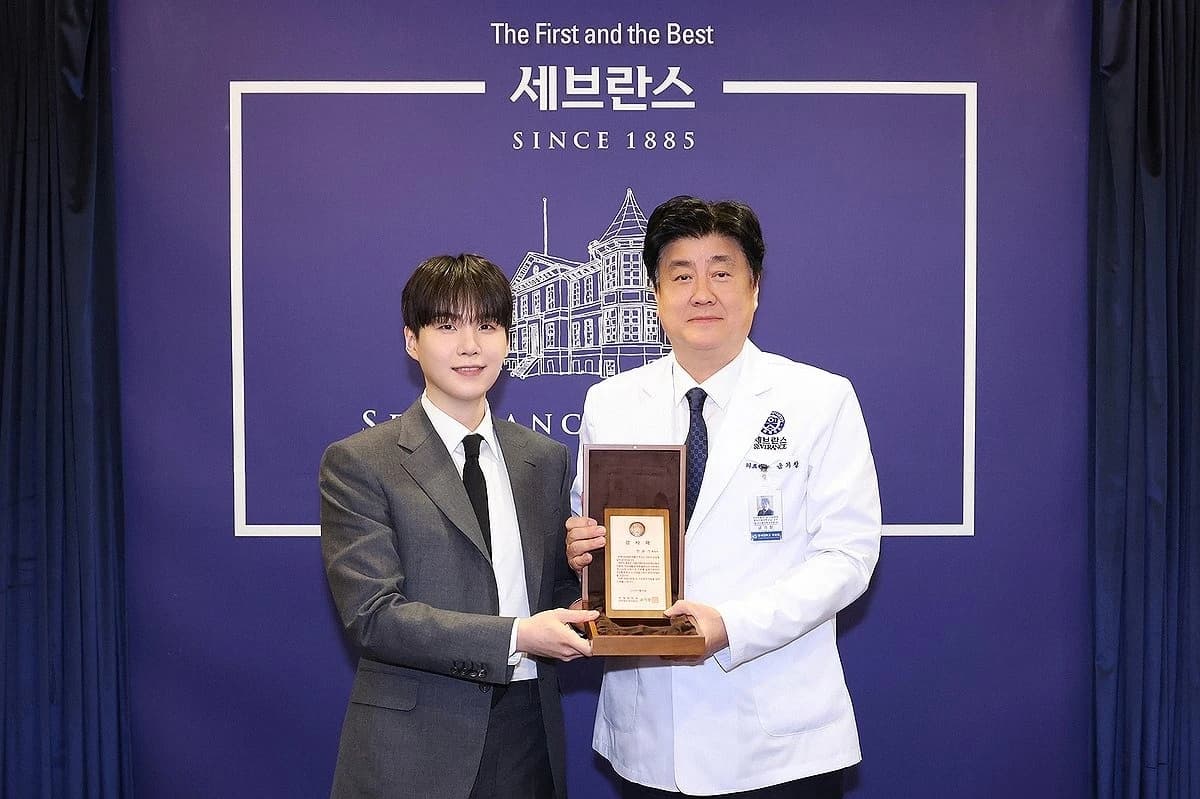
In a world where celebrities often choose to ignore the impact they have and use their platform to push for change, BTS member SUGA (Min Yoon-gi) is proving that K-pop artists are capable of so much more. On March 17, the 33-year-old artist was announced as a co-author for the newly published ‘MIND Program’ (Music, Interaction, Network and Diversity) manual, a music-based approach to help children and adolescents on the autism spectrum develop lasting social skills.
Since 2024, SUGA has worked closely with psychiatrist and the book’s lead author, Cheon Keun-ah, as a contributor and instructor, becoming intimately hands-on in the program’s early planning stages and pilot phase. By 2025, the artist partnered with Severance Hospital in Seoul to bring the MIND Program to life and donated 5 billion won (3.35 million dollars) to help launch the Min Yoongi Treatment Center, where the program operates.
According to the Korean Herald, the MIND Program is organized into 12 sessions, gradually developing from basic interaction to emotional awareness, communication, and collaborative music-making. This is an important distinction from most other social training methods, where traditionally, the models focus on language comprehension and cognitive ability. However, this method isn’t always the most effective, especially with children and adolescents who exhibit creative traits at an early age. With the MIND Program, artistic children are given the freedom to learn through activities such as instrument selection and other performance-based lessons.
Given SUGA’s musical background and expertise over the last decade, both as a member of BTS and as a solo artist, it makes sense as to why he would be the ideal candidate to enlist for such a program. Not only that, but his direct involvement ties into the rapper’s longstanding interest in mental health topics, considering his own personal struggles with depression, social anxiety, and OCD (obsessive-compulsive disorder).
Seeing a K-pop artist so committed and genuine in his interest in giving back to the community to this extent is both commendable and monumental, as is the reciprocated support and respect from one of Seoul’s major hospitals. This is what sustained engagement looks like in the entertainment industry – it’s not a one-and-done donation or charity event, it’s building a long-lasting relationship and rapport with the community you’re looking to help and inspire. In the long-run, these efforts do not go unnoticed.
In the manual’s preface, Cheon wrote, “This book cannot be discussed without mentioning Min Yoon-gi, and his contribution was decisive in realizing the program.” According to the Korea JoongAng Daily, the Yonsei University professor goes on to express hope that the program and their research can be applied in clinical practice and aid those who are looking to change autistic children’s lives for the better.
“We hope that through this book, domestic and international experts and therapists can share the MIND program’s philosophy and procedures and utilize them in actual clinical practice,” said Prof. Cheon. “Various studies have already demonstrated that collective experiences through music promote social relationships and emotional development. As one of the first attempts to bring this into a clinical setting, the MIND program holds significant importance.”
Pre-orders for the ‘MIND Program’ book are available now, with official release starting March 20.