







TWICE
About
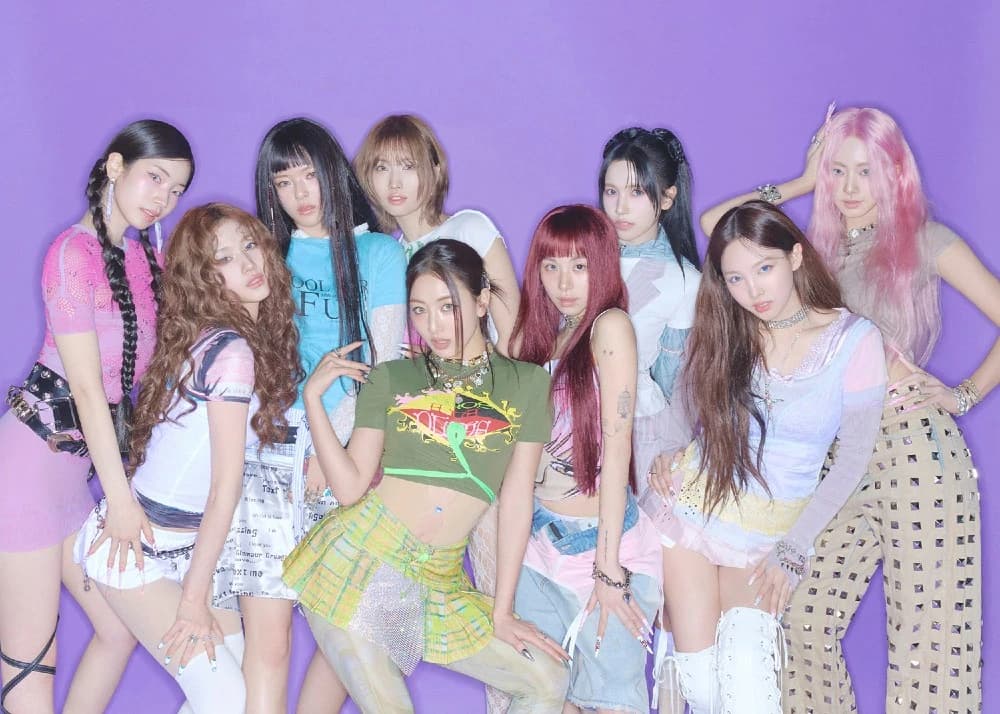
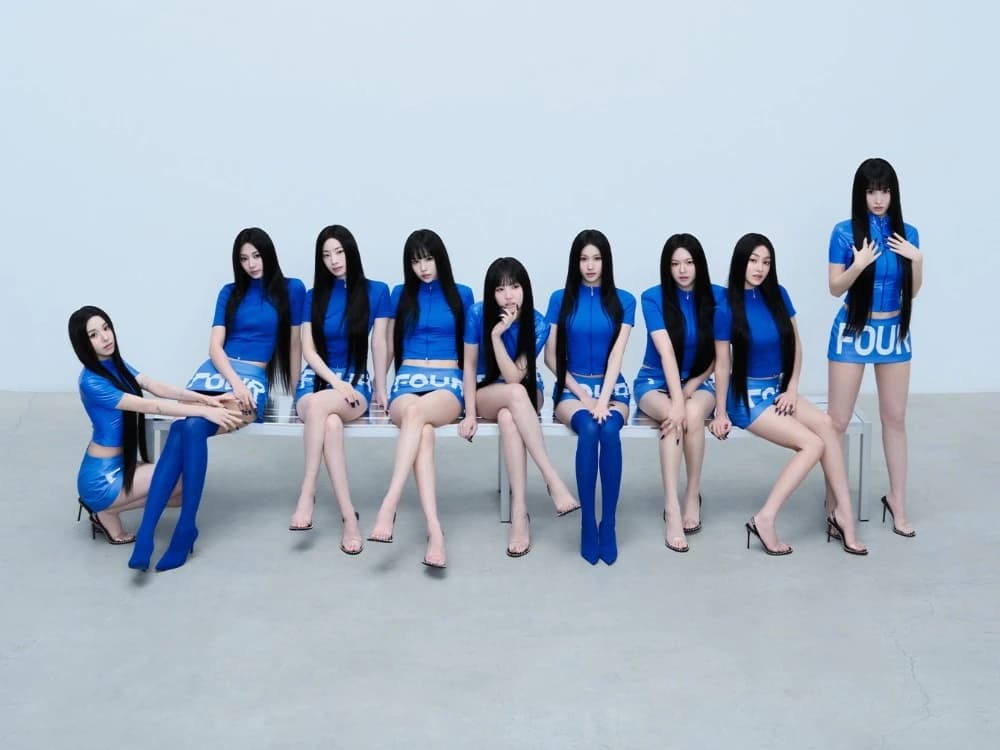
TWICE is a nine-member girl group formed by JYP Entertainment through the survival show Sixteen. The lineup consists of Nayeon, Jeongyeon, Momo, Sana, Jihyo, Mina, Dahyun, Chaeyoung, and Tzuyu, with members from South Korea, Japan, and Taiwan. They debuted in October 2015 with "Like Ooh-Ahh," introducing the bright, kinetic identity that would make them one of the central girl groups of K-pop's third generation.
The group's early rise was built on an unusually clear pop formula: big choruses, memorable gestures, colorful styling, and personalities that were easy for viewers to distinguish. A run led by "Cheer Up" and "TT" turned TWICE into a national-level phenomenon in Korea, while their Japanese members helped the group cross naturally into Japan's idol and pop markets. Rather than relying on a single vocal or dance center, TWICE worked because the lineup felt balanced as a whole: playful, approachable, and tightly rehearsed.
As the members grew older, TWICE gradually expanded beyond the cute and school-age image attached to their first hits. The move from "Fancy" through "I Can't Stop Me" kept the group's melodic accessibility while bringing in sleeker dance-pop, disco, synth-pop, and more mature performance styling. That evolution mattered because it let TWICE remain recognizable without staying frozen in their debut concept.
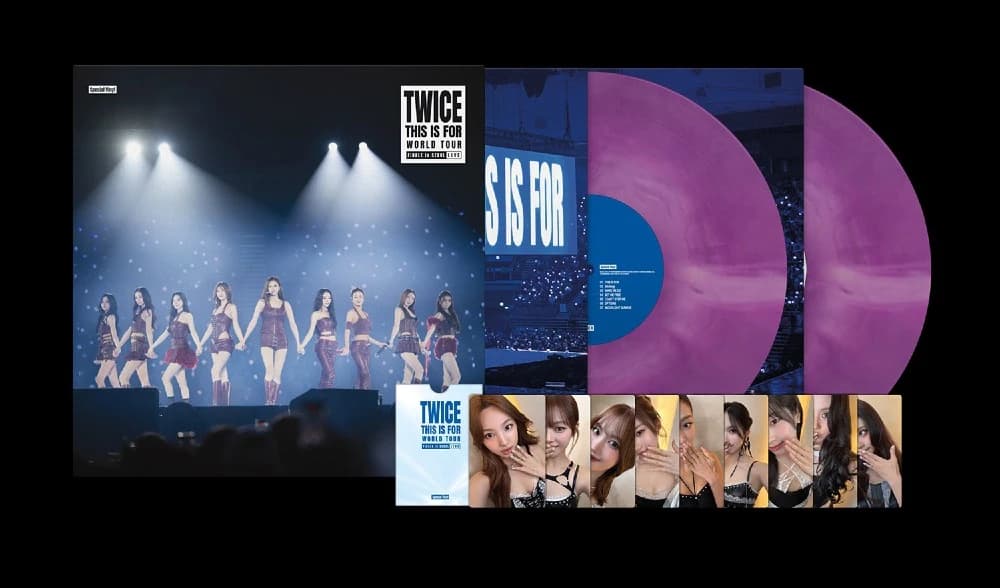
TWICE also became one of the clearest examples of a K-pop girl group building a long international career without losing its domestic base. Their Korean and Japanese discographies developed side by side, and later global touring brought the group to arenas and stadiums far beyond East Asia. The fandom is known as ONCE, a name that matches the group's long-running emphasis on mutual loyalty between the members and their audience.
Their legacy is not only commercial. TWICE helped define what a modern large girl group could be: member-driven, visually bright, musically immediate, and durable enough to age into a second phase. They normalized the idea that a top K-pop girl group could keep all members active across many years, shift concepts without abandoning its core warmth, and still feel like a complete team even as individual members developed solo work, acting, modeling, and unit activities.
Members