






The Top 10 Best-Selling Albums of 2025 So Far – And What It Says About K-Pop
by Hasan Beyaz

K-pop’s 2025 is already defined by blockbuster albums and intense competition, and Hanteo’s mid-year chart makes the landscape clear – see the full list below.
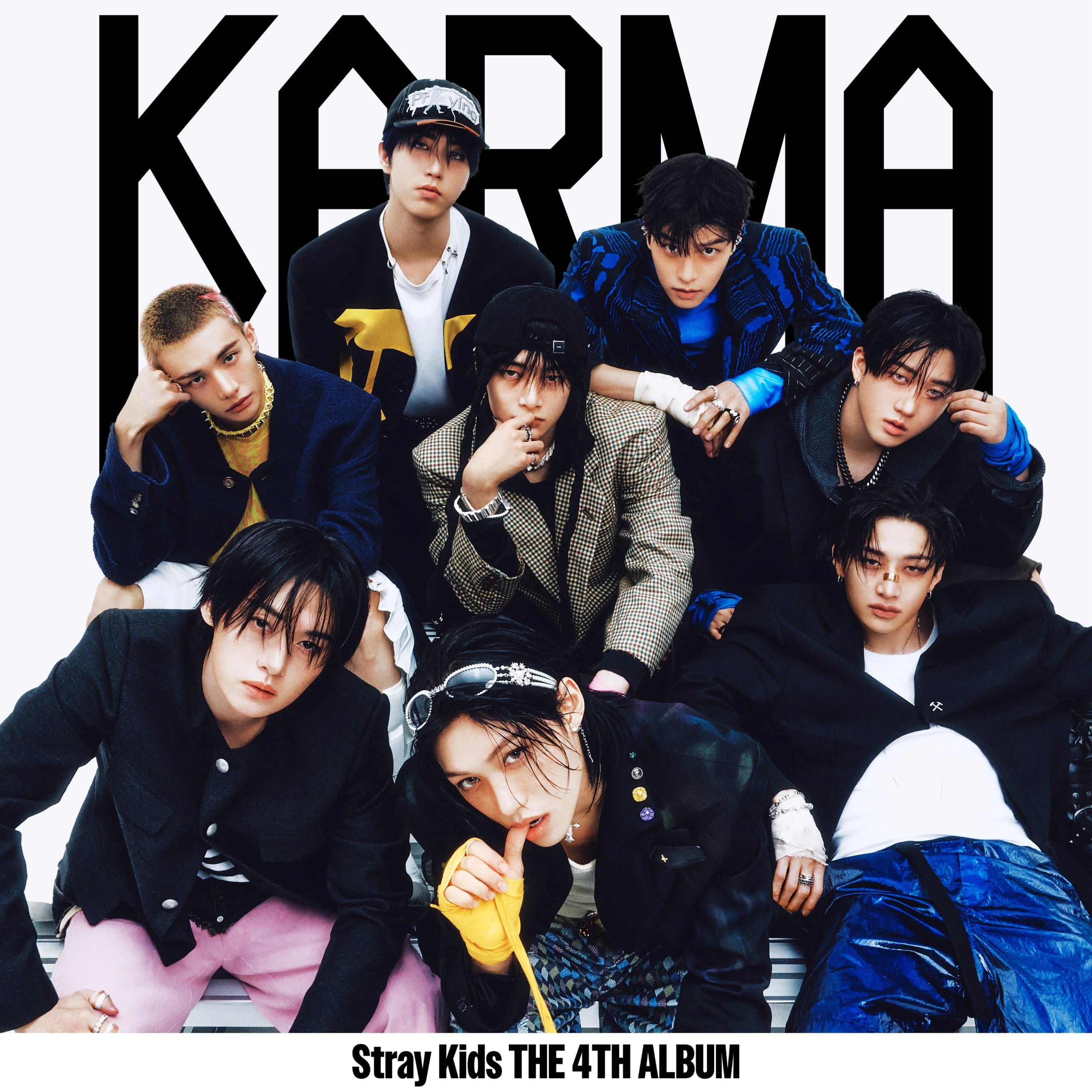


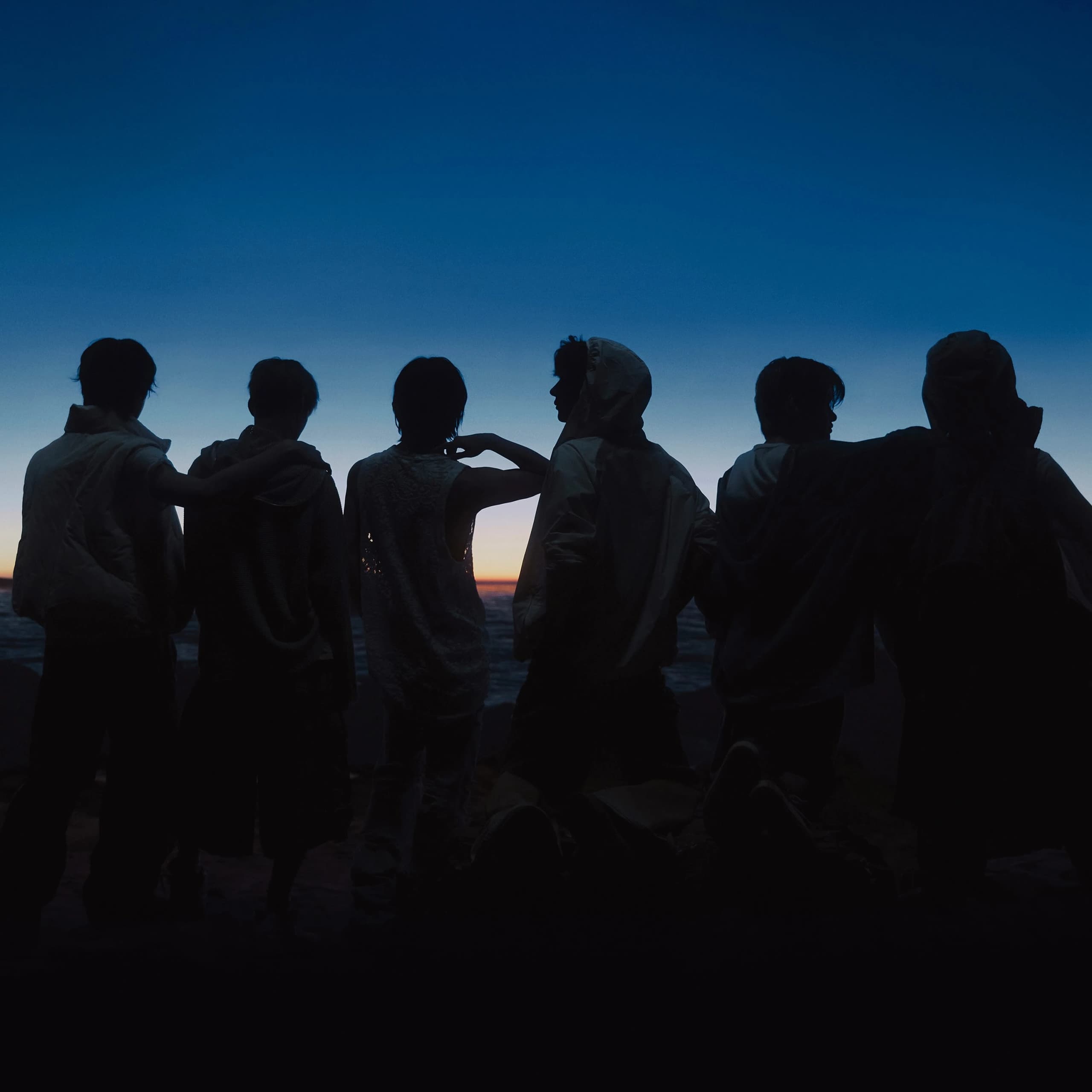
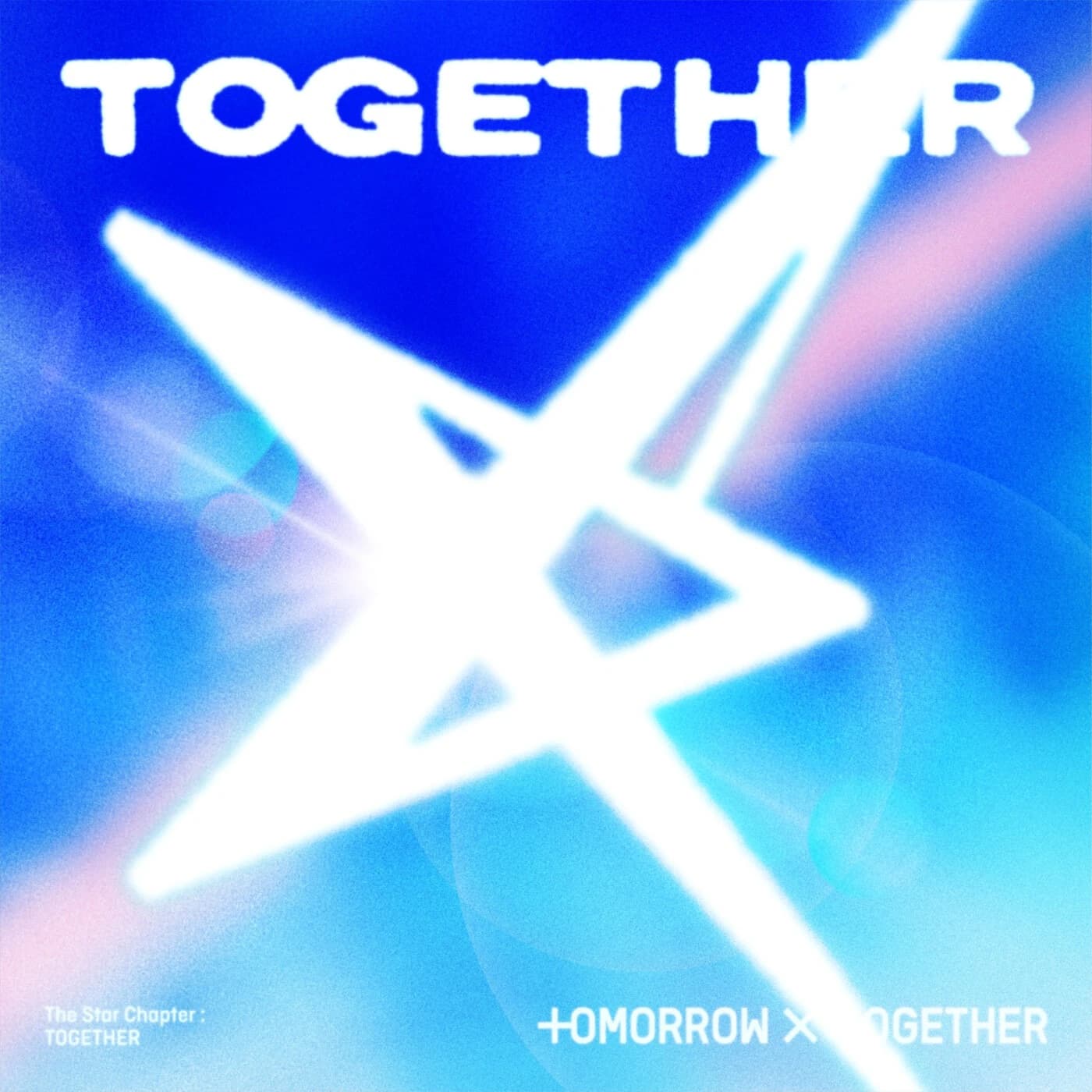
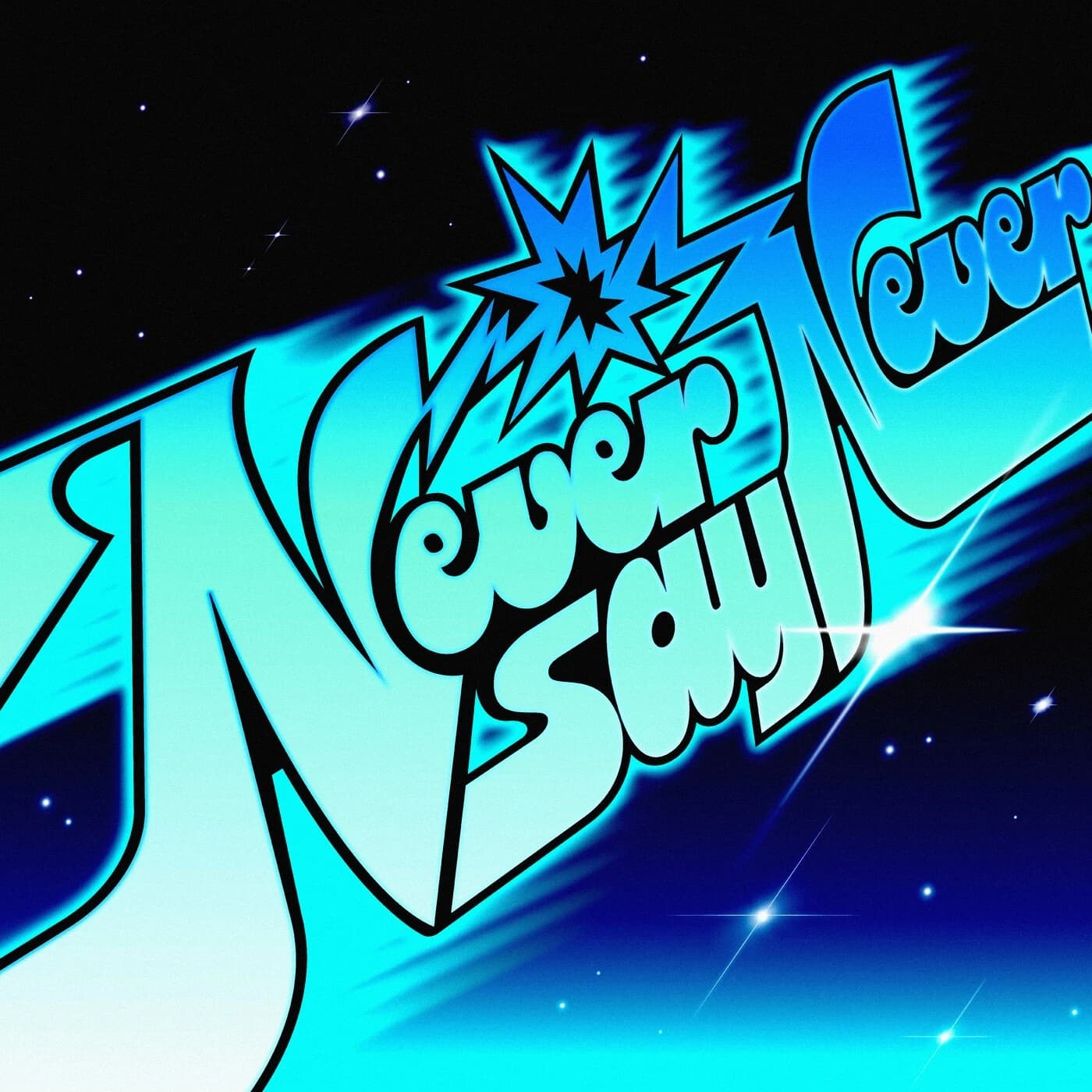

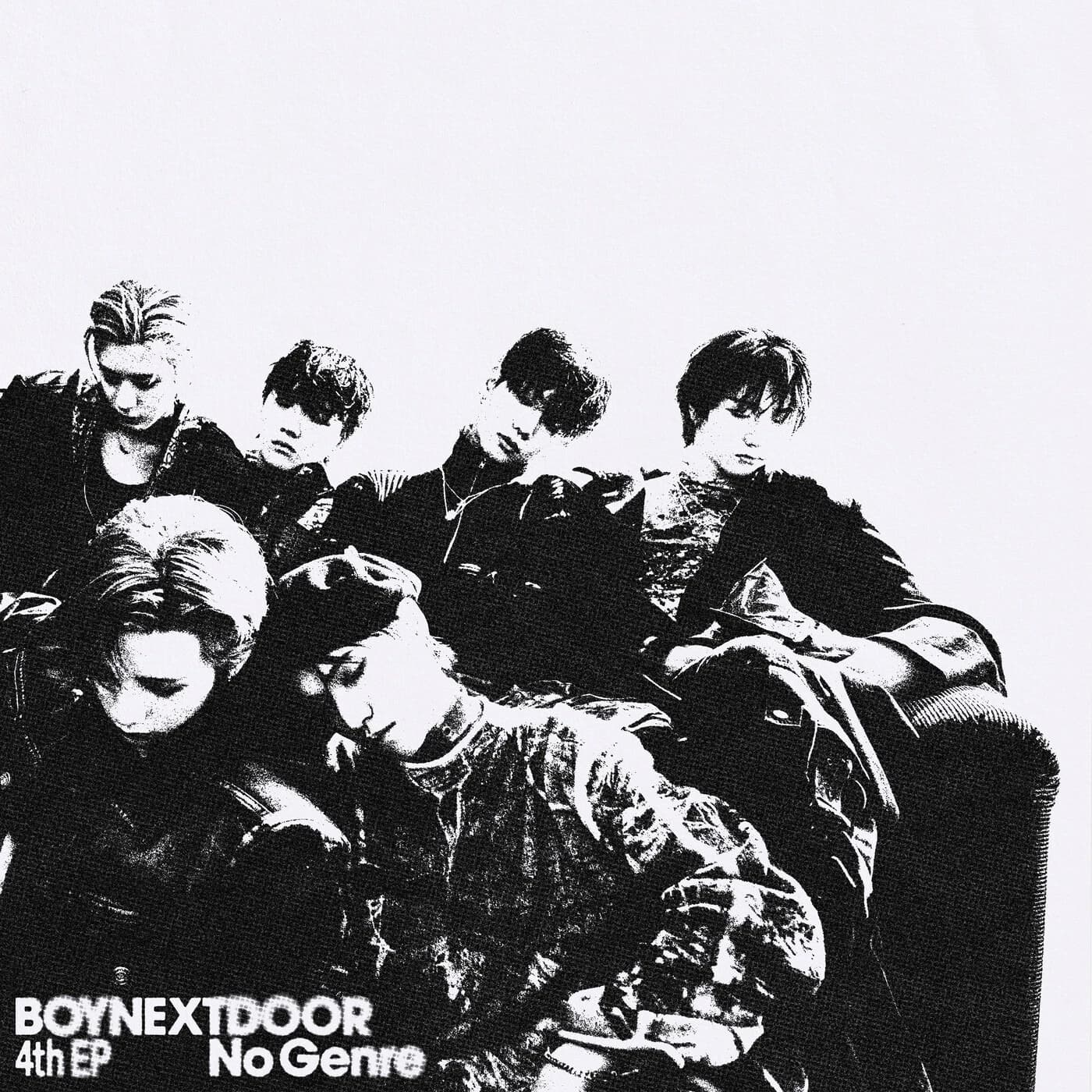
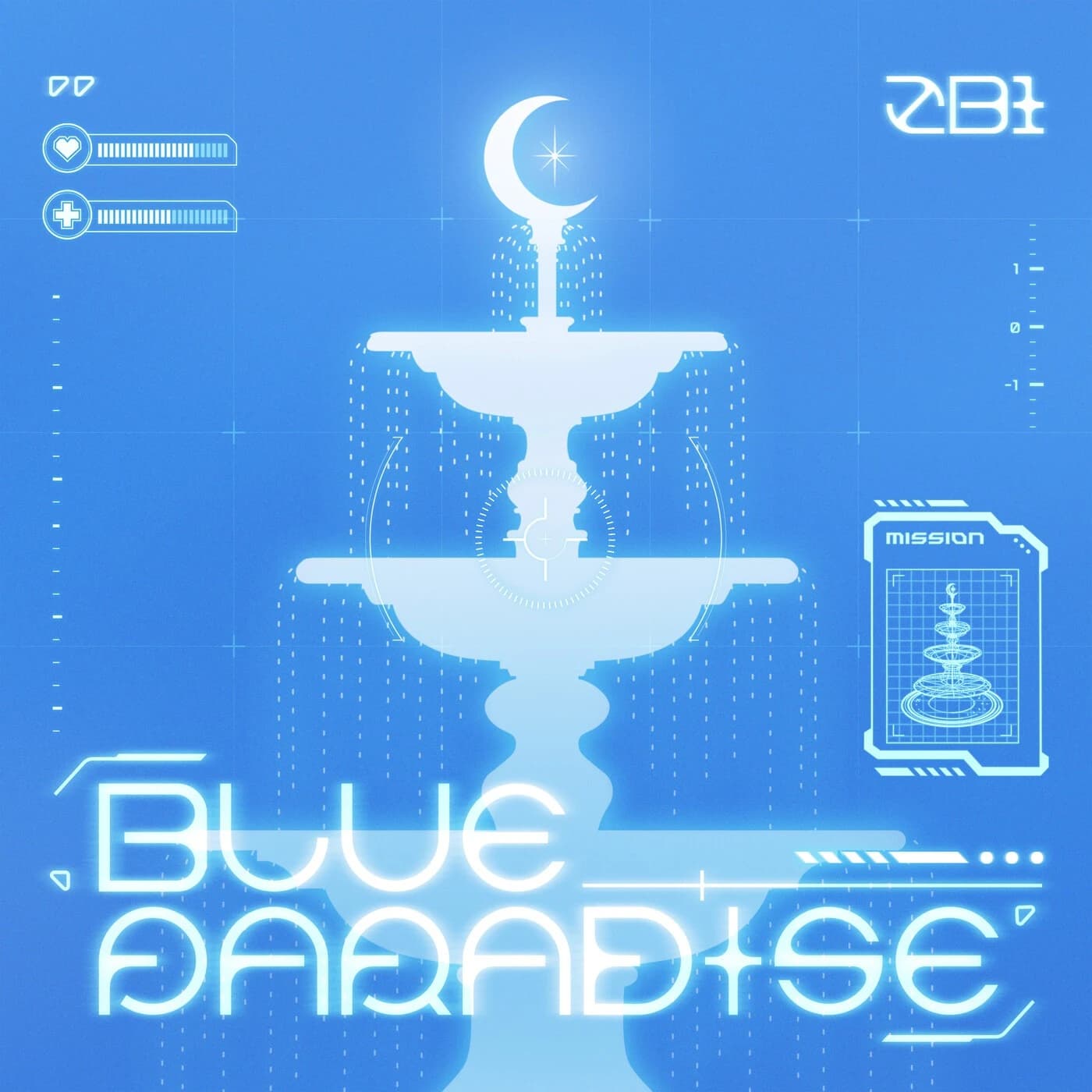
At the top, the “big four” – Stray Kids, SEVENTEEN, ENHYPEN, and TXT – reinforce their status as global powerhouses. But the likes of RIIZE and BOYNEXTDOOR are crashing the party early, pushing past the million-seller benchmark that once defined only the elite. Meanwhile, ZEROBASEONE and NCT WISH impressively land multiple releases on the list – a telling sign of their evergrowing star power. 2025 feels less like a handover of generations and more like a direct collision – with established giants and fast-rising rookies battling on the same field.
The absence of girl groups is equally telling. While female acts lead streaming and cultural impact, physical sales have remained a boy group arena in 2025 so far, where bulk buying and organised fandoms dictate the numbers.
Read on for further analysis and details.
The Undisputed Reign Of Boy Groups
Every single entry on the 2025 Hanteo top 10 belongs to a boy group. Not a single girl group or soloist makes the cut. That doesn’t mean women in K-pop aren’t thriving – if anything, girl groups continue to dominate streaming, digital charts, and cultural relevance. But Hanteo is built around physical sales, and this is where boy group fandoms shine. Male idol fandoms remain highly mobilised and prioritise mass album buying, especially in first-week sales, where every unit counts towards records and bragging rights.
Stray Kids In A League Of Their Own
Stray Kids aren’t just number one – they’re comfortably ahead. With nearly 3.41 million copies sold, KARMA is about three-quarters of a million units clear of SEVENTEEN in second place. Factor in the US data – almost 400,000 copies sold in a country where K-pop albums are still niche purchases – and it underlines just how singular their dominance is. For the second consecutive year, they’ve crossed the one-million mark in the US alone. No other K-pop group has done that before. STAY aren’t just loyal; they’re reshaping the scale of what global fandom power looks like.
The Dual-Comeback Strategy Works
Both ZEROBASEONE and NCT WISH landed two albums in the top 10. That’s no accident – it’s a deliberate release strategy. For project groups like ZB1, multiple comebacks maximise momentum in a limited time before eventual disbandment. For rookies like NCT WISH, back-to-back releases accelerate fanbase building and help lock in long-term loyalty. The message is clear: flooding the market with music isn’t oversaturation if your fandom is hungry enough.
The Old Guard Vs The New Blood
There’s a split running down the middle of this chart. On one side, you’ve got the entrenched powerhouses: SEVENTEEN, TXT, and ENHYPEN, all well past the point of proving themselves. On the other, there’s the rising bloc: RIIZE, ZB1, BOYNEXTDOOR, and NCT WISH, groups barely a few years old who are already million sellers. That kind of parity would have been unthinkable five years ago, when newer acts usually needed years to build sales muscle. The industry right now looks less like a passing of the torch and more like two generations colliding at full strength.
The Million-Seller Benchmark Is Now The Floor, Not The Ceiling
The lowest-selling album on this list still moved 1.27 million copies. Just a few years ago, that number would have been enough for headlines and broken records. Now, it’s baseline. The globalisation of K-pop fandoms – and the intensification of bulk-buying culture – has raised the bar to staggering levels. If a top boy group doesn’t cross seven figures, it’s seen as underperformance.
Notable Absences
The lack of BTS is expected – most members have been serving in the military – but it still feels weird not to see them here. Meanwhile, ATEEZ surprisingly didn’t land in the top 10 for this period with their GOLDEN HOUR : Part.3 release, either due to timing or competitive pressure. The girl group question lingers too: even the strongest-selling female acts like IVE or aespa can’t yet compete with the sheer bulk-purchasing clout of boy group fandoms. What they lack in Hanteo numbers, though, they make up for in digital reach and cultural dominance.
The Bigger Picture
What emerges from this list is a market that’s simultaneously stable and in transition. The biggest 4th gen titans are consolidating their positions at the top, while a wave of new acts is already pushing into the same sales stratosphere. The physical album market is still expanding, still wildly profitable, and still overwhelmingly shaped by male groups.
Although Hanteo’s 2025 chart isn’t a scoreboard – it’s still a snapshot of where the balance of power lies in K-pop right now. Stray Kids are widening the gap at the top, SEVENTEEN and TXT remain unshakable pillars, and a new wave of rookies is already selling at levels once reserved for legends. The absence of girl groups underlines how differently fandoms consume music, but it also points to an industry running on two parallel tracks: physical dominance versus digital and cultural reach. If anything, this year’s numbers suggest the competition is only getting fiercer – and the fight for the next era of K-pop supremacy is already well underway.